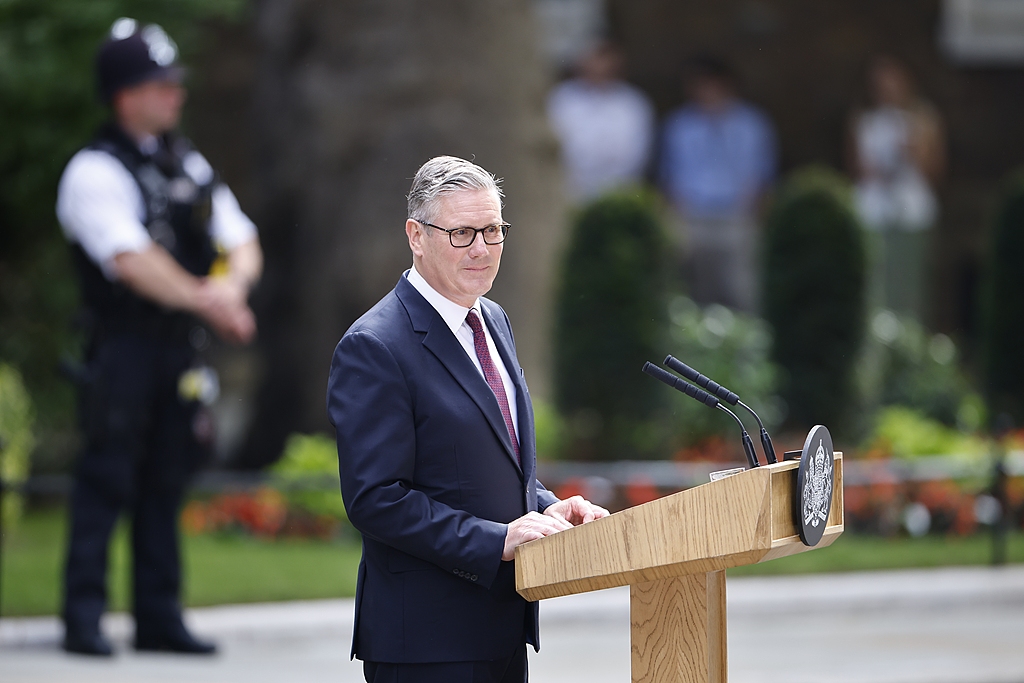
UK Prime Minister Keir Starmer announced his resignation as Leader of the Labour Party and Prime Minister on Monday, June 22, and initiated the succession process. Nominations will open on July 9 and close on July 16, with the entire leadership contest concluding on September 1.
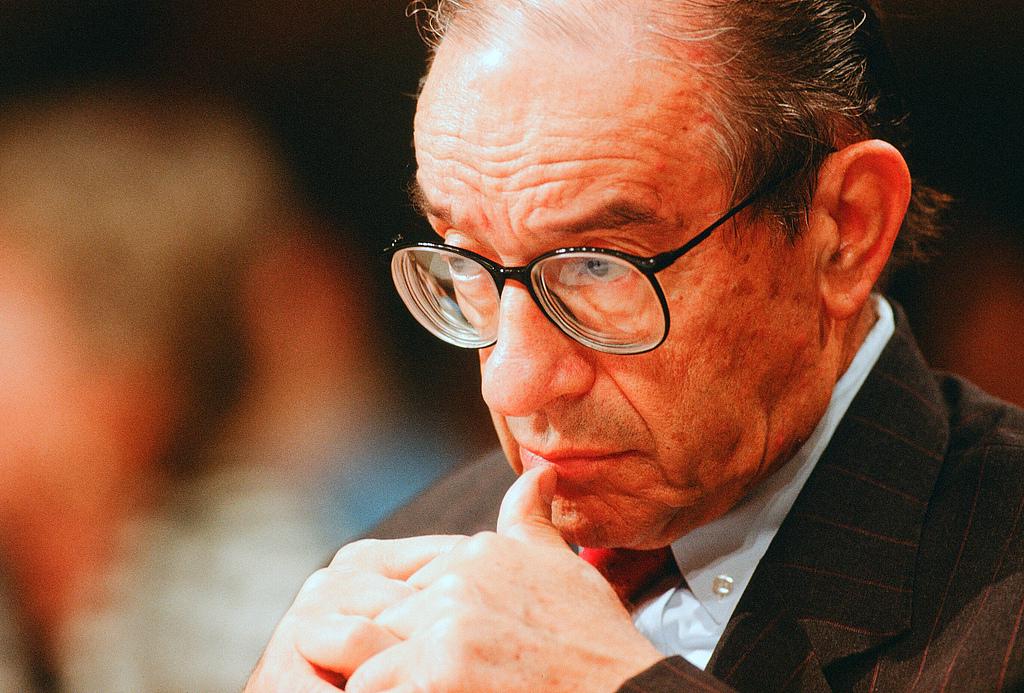
Peel Hunt Chief Economist Pickering stated that the market must now consider what a government under Burnham would look like. Burnham has yet to provide clear answers regarding his potential policy direction.
If a candidate receives more than 50% of first-preference votes, they are elected outright. If this does not occur, the candidate with the fewest votes at the end of the ranking is eliminated. This process continues until a candidate secures more than half of the first-preference votes. Shortest-Serving Labour Prime Minister It is understood that Starmer is the sixth Prime Minister of the United Kingdom in a decade and the fourth in 2022—during which time Conservative Liz Truss served the shortest term in history at just 45 days. Notably, despite Starmer serving nearly two years, he is also the shortest-serving Labour Prime Minister in history. Two years ago, he led the Labour Party to one of the largest parliamentary majorities in history during a general election. However, following that, Chancellor Rachel Reeves, nominated by Starmer, has continuously faced fiscal difficulties, sparking discontent within the party. Last year, Starmer’s appointed ambassador to the United States, Peter Mandelson, was dismissed after his ties to Epstein came to light, further damaging internal party relations. Reports indicate that Burnham plans to replace the current Chancellor and implement new economic policies, potentially leading to Reeves’ removal from office. Focus on UK Debt Issues Kallum Pickering, Chief Economist at Peel Hunt, stated that the UK has borrowed excessively, resulting in high levels of public debt. However, he emphasized that the UK is not an “outlier” in this regard among G7 member states. Pickering added that under Starmer’s tenure, the UK signed new trade agreements and achieved 1.5% real GDP growth. Nevertheless, the country remains the most costly borrower within the G7 and has the highest average inflation rate among those economies over the past decade. Pickering commented, “This is what the market is concerned about; the market must now consider what the UK will look like under Burnham’s leadership.” To date, Burnham has not provided clear answers regarding his potential policies. This makes it difficult to assess the impact on future borrowing. Given the UK’s current deep debt crisis, the market is wary of any measures that could increase bond issuance to raise funds.